
Why More Families Are Choosing Abu Dhabi Over Dubai for Long-Term Living
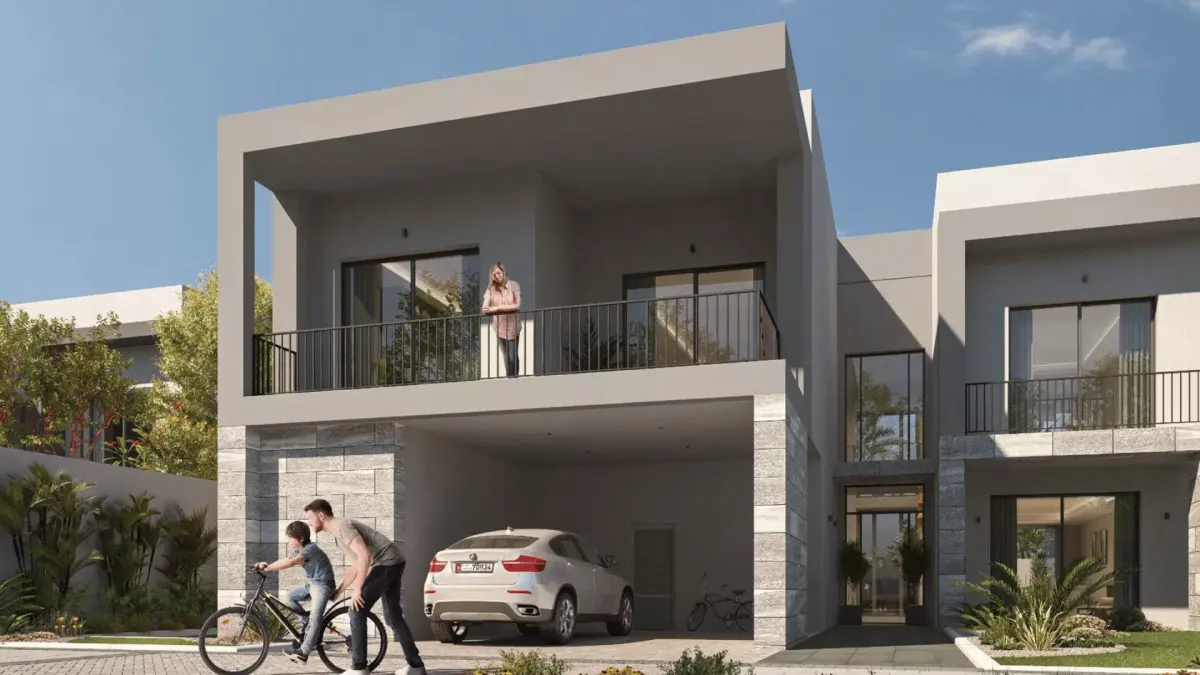
Over the past few years, a clear shift has emerged in the UAE residential market. While Dubai continues to dominate headlines as a global business and tourism hub, a growing number of families are deliberately choosing Abu Dhabi over Dubai for long-term living.
This trend is not driven by price alone—it is rooted in lifestyle stability, education quality, community planning, and long-term value.
Below is a structured analysis explaining why Abu Dhabi is increasingly viewed as the preferred family-oriented emirate.
1. A More Balanced Lifestyle for Families
Abu Dhabi offers a noticeably calmer and more structured living environment compared to Dubai’s fast-paced, high-density lifestyle. Residential communities are designed around long-term occupancy, not short-term turnover.
Key lifestyle advantages include:
Lower congestion in residential areas
Less nightlife-driven zoning near family communities
Quieter neighborhoods with controlled development density
For families prioritizing routine, safety, and daily quality of life over entertainment proximity, Abu Dhabi provides a more sustainable environment.
2. Stronger Focus on Family-Centric Community Planning
One of Abu Dhabi’s most significant advantages is its master-planned residential communities, where schools, healthcare, retail, parks, and leisure facilities are integrated from the outset.
Typical community features include:
Walking and cycling paths
Large green spaces and community parks
Family-only amenities and clubhouses
Limited commercial disruption within residential zones
This approach contrasts with many parts of Dubai, where residential towers often coexist with heavy commercial and tourist activity.
3. Education Quality and Accessibility
For families with children, education is a decisive factor. Abu Dhabi has invested heavily in international schools and educational infrastructure, with a strong emphasis on curriculum quality and regulation.
Why families prefer Abu Dhabi schools:
High regulatory oversight and consistent academic standards
Strong presence of British, IB, American, and international curricula
Shorter commute times between home and school
Less overcrowding compared to high-demand Dubai school zones
This creates a more predictable and less stressful daily routine for parents and children alike.
4. Cost Stability and Long-Term Value
While Dubai can offer lower entry prices in some segments, Abu Dhabi is increasingly favored for its price stability and long-term value retention.
From a family perspective:
Rental increases are more controlled
Service charges tend to be more predictable
Fewer speculative price spikes that disrupt affordability
For homeowners planning to live in the same property for many years, Abu Dhabi’s market dynamics offer greater financial clarity and reduced volatility.
5. Safer, More Regulated Living Environment
Abu Dhabi consistently ranks among the safest cities globally, and this perception strongly influences family relocation decisions.
Key safety and governance factors:
Strict residential zoning regulations
Lower transient population ratios
Strong law enforcement visibility
Government-backed urban planning policies
For parents, this translates into peace of mind—particularly when raising young children.
6. Less Dependence on High-Density Vertical Living
Dubai’s residential market is heavily dominated by high-rise towers, which suit professionals and investors but are not always ideal for families.
Abu Dhabi offers:
A wider selection of townhouses and villas
Low-rise apartment communities
Homes designed with outdoor space and privacy
Families increasingly prefer properties where children can play outdoors safely, without reliance on elevators, valet access, or crowded common areas.
7. Healthcare and Public Services
Abu Dhabi’s healthcare system is widely regarded as one of the most advanced in the region, with strong government oversight and modern facilities.
Family-oriented advantages include:
High-quality public and private hospitals
Efficient emergency services
Easy access to clinics within residential districts
For long-term residents, healthcare reliability is a critical factor—and Abu Dhabi consistently scores high in this area.
8. A City Designed for Long-Term Residents, Not Short-Term Visitors
Dubai thrives on tourism, events, and constant reinvention. While this is a strength economically, it can feel overwhelming for families seeking stability.
Abu Dhabi, by contrast:
Develops residential areas for decades, not seasons
Prioritizes livability over spectacle
Focuses on cultural, educational, and social infrastructure
This long-term vision resonates strongly with families planning to settle rather than rotate between properties.
Final Thoughts
Dubai will always remain a global icon for business, innovation, and lifestyle variety. However, for families seeking stability, space, education quality, safety, and long-term value, Abu Dhabi is increasingly the preferred choice.
The shift is not about which city is “better,” but rather which city aligns with long-term family priorities—and for many households, Abu Dhabi now leads that conversation.
Frequently asked questions
Why are more families choosing Abu Dhabi over Dubai for long-term living?
The article says the trend goes beyond price. Families value Abu Dhabi's calmer lifestyle, quality schools, family-focused master-planned communities, safety, and long-term value retention. Abu Dhabi is seen as better suited to families who plan to settle rather than move often.
Is Abu Dhabi cheaper than Dubai for families?
Not always. Dubai can offer lower entry prices in some segments. Abu Dhabi is favored for price stability, with more controlled rental increases, more predictable service charges, and fewer speculative price spikes.
What are the schools like in Abu Dhabi?
Abu Dhabi has invested heavily in international schools, with strong regulatory oversight and consistent academic standards. Families can choose from British, IB, American, and other international curricula. Commutes tend to be shorter, and schools are less overcrowded than in high-demand Dubai school zones.
What kinds of homes are available for families in Abu Dhabi?
Abu Dhabi offers a wider selection of townhouses, villas, and low-rise apartment communities than Dubai's tower-heavy market. These homes usually have outdoor space and privacy, so children can play safely without relying on elevators or crowded common areas.
How safe and family-friendly are Abu Dhabi's communities?
Abu Dhabi consistently ranks among the safest cities globally. It has strict residential zoning, a lower transient population ratio, and visible law enforcement. Master-planned communities include parks, walking and cycling paths, clubhouses, and limited commercial activity in residential zones.
How is healthcare in Abu Dhabi for long-term residents?
Abu Dhabi's healthcare system is considered among the most advanced in the region, with strong government oversight. Families have access to high-quality public and private hospitals, efficient emergency services, and clinics within residential districts.